
Autonomous Driving Systems & ADAS Simulation
From adas to autonomy - Simulated for safety, validated for reality Explore ADAS SolutionsRequest a DemoComprehensive ADAS Simulation Solutions

Technology & Simulation Capabilities
DRD Technology enables ADAS development using physics-based simulation that supports sensors, software, and vehicle-level systems throughout the development lifecycle.
✔️Realistic modeling of materials, lighting, weather, and environments
✔️Integration with system, software, and vehicle dynamics workflows

Safety, Compliance, and Confidence
Simulation supports structured safety-driven development by enabling early analysis, traceability, and validation aligned with global automotive safety standards.
✔️Safety of the Intended Functionality (ISO 21448 – SOTIF)
✔️Traceable workflows to support certification activities

Scenario & Real-Drive Validation
Scenario-based simulation complements real-world testing by enabling repeatable evaluation of ADAS performance across a wide range of driving conditions.
✔️Software-in-the-Loop (SiL) and Hardware-in-the-Loop (HIL) workflows
✔️Correlation between virtual scenarios and real-world driving data
ADAS as the to Autonomous Driving
Advanced Driver Assistance Systems (ADAS) are reshaping how vehicles perceive, decide, and respond to their environment. As the industry moves toward higher levels of autonomy, simulation-driven development has become critical for ensuring safety, performance, and regulatory compliance. Autonomous vehicle development demands a simulation-driven approach that can scale with increasing system complexity, data volume, and validation requirements. By using high-fidelity simulation to support ADAS development, engineering teams can reduce development timelines, improve system robustness, and make informed decisions earlier in the product lifecycle. This approach enables consistent evaluation of autonomous driving functions while supporting global automotive programs, evolving safety expectations, and long-term autonomy roadmaps.
Simulation plays an increasingly vital role not only in design and validation but also in digital homologation workflows that support compliance and early certification of ADAS and autonomous driving systems. By leveraging high-fidelity, physics-based simulation across perception, planning, and control domains, engineering teams can validate autonomous functions against a comprehensive set of virtual scenarios that mirror real-world conditions. DRD Technology helps engineering teams design, simulate, and validate ADAS and autonomous driving systems using industry-leading Ansys simulation technologies reducing development risk while accelerating innovation.
Additional Resources
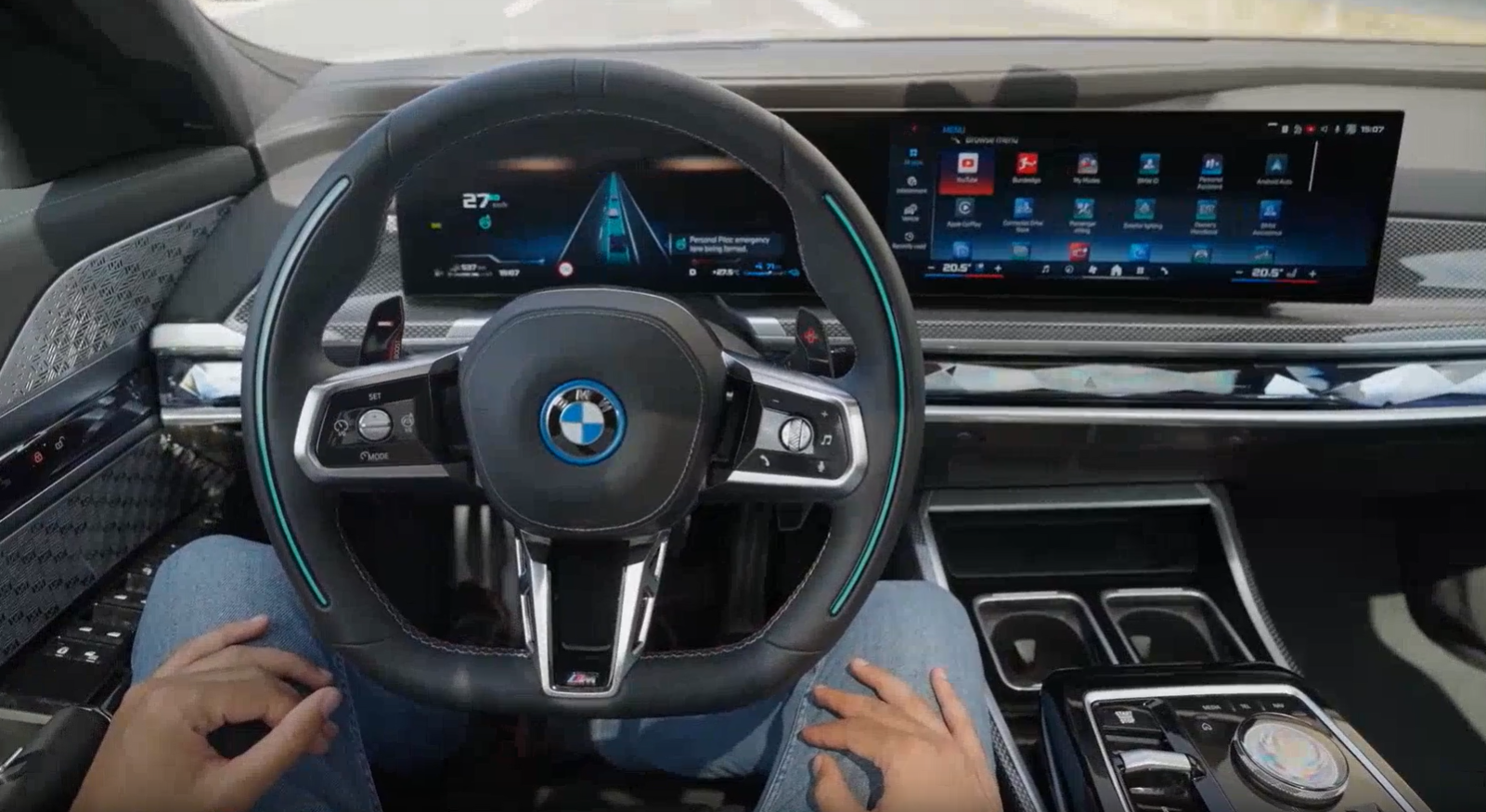
Self-driving Car Safety Through Accurate Simulation at Scale

SiL and HiL Solutions for Adaptive Driving Beam Develpment and Testing

Physics-Based Sensor Simulation for In-Cabin Sensing Systems Development

Ansys Solutions for Driver Monitoring Systems
Customer Testimonials

Case Study
— Dr. Martin Punke Head of Camera Product Technology

Press Release
— Joachim Mathes, Chief Technical Officer of Valeo

Press Release
— Tomoki Seita, GM of Sony Semiconductor Solutions Corporation

Case Study
— Maximilian Rasch, ADAS Validation Engineer